
A strong immune system helps protect children from common illnesses like colds, coughs, flu, and other infections while supporting their overall growth and development. Since a child’s immune system is still developing, parents play an important role in building healthy habits that strengthen their natural immunity from an early age.
The good news is that improving your child’s immunity doesn’t require expensive supplements or complicated routines. A balanced diet, quality sleep, regular physical activity, proper hygiene, routine vaccinations, and regular pediatric check-ups all work together to support a healthy immune system.
In this guide, you’ll learn how to build strong immunity in children naturally, the signs of a weak immune system, the best immunity-boosting foods, healthy lifestyle habits, and when to consult a pediatrician, whether your child is a toddler, preschooler, or school-aged, these practical tips can help them stay healthier and recover faster from common infections.
What Is the Immune System?
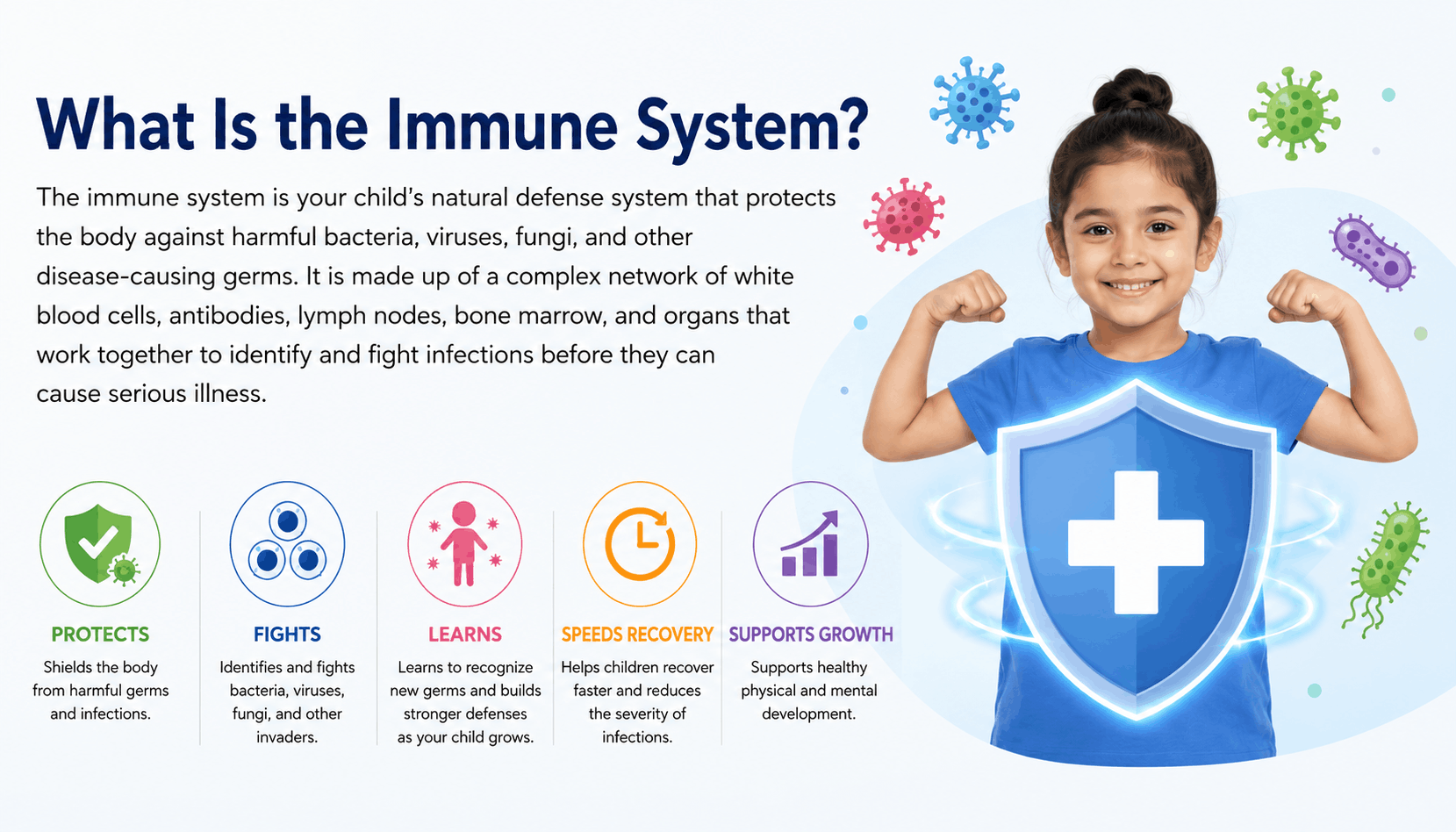
The immune system is your child’s natural defense system that protects the body against harmful bacteria, viruses, fungi, and other disease-causing germs. It is made up of a complex network of white blood cells, antibodies, lymph nodes, bone marrow, and organs that work together to identify and fight infections before they can cause serious illness.
Children are exposed to new germs every day at home, school, playgrounds, and public places. As they grow, their immune system gradually learns to recognize these germs and build stronger defenses against future infections. This natural learning process is why children may experience occasional colds or minor illnesses, especially during their early years.
A healthy immune system doesn’t prevent every illness, but it helps children recover faster, reduces the severity of infections, and supports healthy physical and mental development.
Why Is Strong Immunity Important for Growing Children?
A strong immune system does much more than protect children from everyday illnesses. It plays an important role in supporting healthy growth, improving energy levels, and helping children participate in school, sports, and other daily activities without frequent interruptions caused by illness.
Good immunity helps children:
- Fight common infections such as colds, coughs, sore throat, and flu.
- Recover more quickly from illnesses.
- Support healthy physical growth and brain development.
- Reduce the risk of frequent infections.
- Improve overall energy levels and daily activity.
- Build stronger long-term health as they grow.
Developing healthy habits during childhood lays the foundation for lifelong wellness. Nutritious food, quality sleep, regular exercise, proper hygiene, and preventive healthcare all contribute to a stronger immune system.
Common Signs of a Weak Immune System in Children
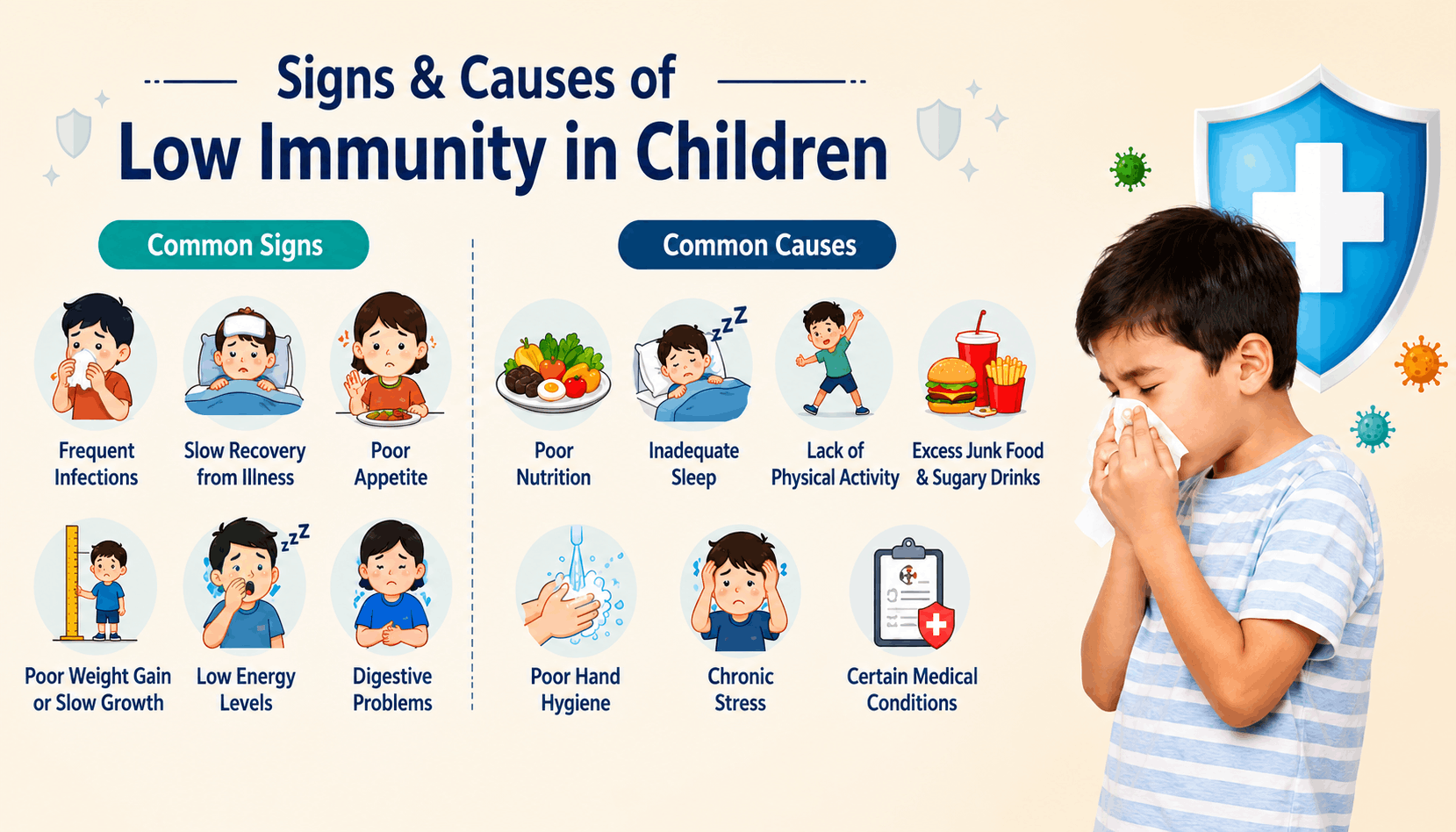
It is normal for children to catch occasional colds as their immune system develops. However, if your child experiences frequent illnesses or takes longer than usual to recover, it may indicate that their immune system needs additional support.
Some common signs of a weakened immune system include:
Frequent infections
Repeated colds, coughs, ear infections, throat infections, or fever occurring several times a year may indicate reduced immune function.
Slow recovery from illness
If your child takes longer than expected to recover from common illnesses, it may suggest that their immune response is weaker than normal.
Poor appetite
Children who consistently eat very little may not receive enough nutrients required for healthy immune function.
Poor weight gain or slow growth
Inadequate nutrition or underlying health conditions can affect both immunity and healthy physical development.
Low energy levels
Constant tiredness, fatigue, or reduced interest in playing and physical activities may sometimes be associated with poor overall health.
Digestive problems
Frequent stomach pain, constipation, diarrhea, bloating, or recurrent digestive issues can affect nutrient absorption and gut health, which plays an important role in immunity.
If these symptoms occur repeatedly, consult a pediatrician for proper evaluation rather than relying on home remedies alone.
What Causes Low Immunity in Children?
Several factors can influence your child’s immune system. While some causes are temporary, others may require medical attention. Identifying these factors early allows parents to take the right steps to support their child’s overall health.
Poor Nutrition
A diet lacking protein, vitamins, iron, zinc, and other essential nutrients can reduce the body’s ability to fight infections effectively.
Inadequate Sleep
Children need sufficient sleep because the body repairs itself and strengthens the immune system during rest.
Lack of Physical Activity
Regular exercise improves blood circulation, supports immune cell function, and promotes overall well-being.
Excessive Junk Food and Sugary Drinks
Highly processed foods often provide calories without essential nutrients, which may negatively affect overall health when consumed frequently.
Poor Hand Hygiene
Not washing hands properly increases exposure to bacteria and viruses that can spread common childhood infections.
Chronic Stress
Although less common in younger children, stress related to school, family changes, or emotional challenges can influence overall health and immune function.
Certain Medical Conditions
Some children may have underlying medical conditions or nutritional deficiencies that affect their immune system. A qualified pediatrician should always evaluate these.
How to Build Strong Immunity in Children Naturally
A child’s immune system becomes stronger through healthy daily habits rather than overnight solutions. While occasional illnesses are a normal part of growing up, parents can support their child’s immune health by providing proper nutrition, encouraging an active lifestyle, ensuring adequate sleep, and following preventive healthcare practices.
Here are some effective and natural ways to strengthen your child’s immune system.
1. Provide a Balanced and Nutritious Diet
Nutrition is one of the most important factors in building a healthy immune system. Children need a variety of vitamins, minerals, proteins, and healthy fats to help their bodies produce infection-fighting immune cells.
Include a variety of foods such as fresh fruits, vegetables, whole grains, lean proteins, dairy products, nuts, and seeds in your child’s daily meals. A colorful, balanced plate ensures they receive a wide range of nutrients that support healthy growth and immunity.
Whenever possible, encourage homemade meals instead of processed or packaged foods.
2. Include Immunity-Boosting Foods Every Day
Certain foods contain nutrients that play an important role in supporting immune function.
Some of the best immunity-boosting foods for children include:
- Citrus fruits like oranges, sweet lime, and lemons for Vitamin C
- Leafy green vegetables such as spinach and amaranth
- Eggs for high-quality protein and Vitamin D
- Yogurt and curd for probiotics that support gut health
- Nuts and seeds for healthy fats, zinc, and Vitamin E
- Whole grains like oats, brown rice, and millets
- Colorful vegetables such as carrots, tomatoes, and bell peppers
- Seasonal fruits like papaya, guava, apples, and berries
Offering a variety of nutrient-rich foods helps children develop healthy eating habits while supporting their natural immune system.
3. Ensure Your Child Gets Enough Sleep
Sleep is essential for healthy growth and immune function. During sleep, the body repairs tissues, produces important immune cells, and strengthens its ability to fight infections.
The amount of sleep children need varies by age:
| Age Group | Recommended Sleep |
| Toddlers (1–2 years) | 11–14 hours |
| Preschoolers (3–5 years) | 10–13 hours |
| School-age children (6–12 years) | 9–12 hours |
| Teenagers (13–18 years) | 8–10 hours |
Maintaining a consistent bedtime routine and limiting screen time before bed can help improve sleep quality.
4. Encourage Regular Physical Activity
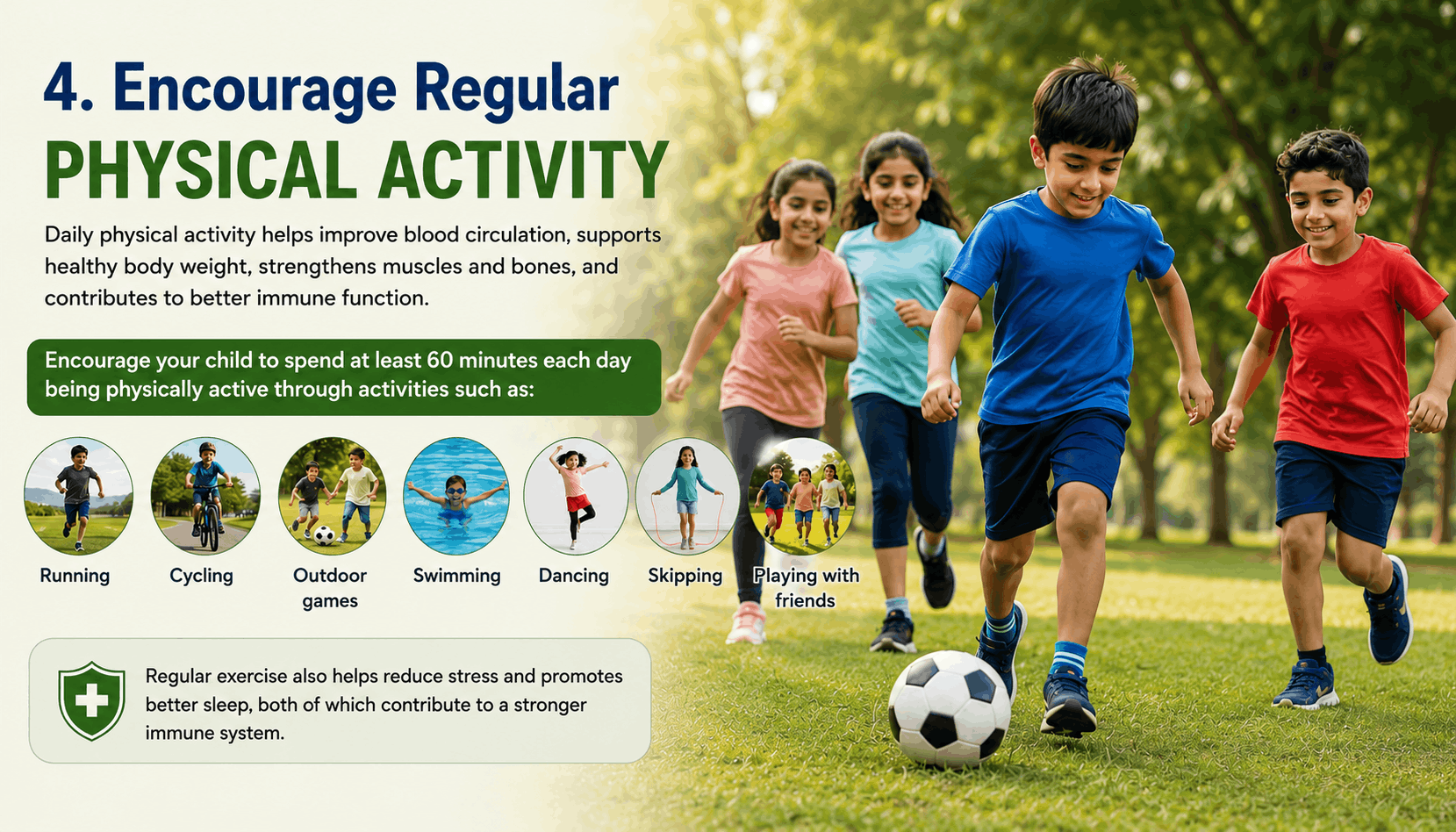
Daily physical activity helps improve blood circulation, supports healthy body weight, strengthens muscles and bones, and contributes to better immune function.
Encourage your child to spend at least 60 minutes each day being physically active through activities such as:
- Running
- Cycling
- Outdoor games
- Swimming
- Dancing
- Skipping
- Playing with friends
Regular exercise also helps reduce stress and promotes better sleep, both of which contribute to a stronger immune system.
5. Promote Outdoor Play and Safe Sunlight Exposure
Outdoor play offers multiple health benefits beyond physical activity. Spending time outdoors encourages children to stay active while allowing the body to produce Vitamin D through safe exposure to sunlight.
Vitamin D plays an important role in supporting healthy bones and normal immune function.
Aim for short periods of outdoor play during the morning or evening while protecting children from excessive sun exposure during peak afternoon hours.
6. Keep Your Child Well Hydrated
Water is essential for almost every function in the body, including maintaining healthy circulation and supporting the body’s natural defense mechanisms.
Encourage children to drink enough water throughout the day, especially during hot weather or after physical activity.
Healthy fluids include:
- Water
- Fresh coconut water
- Homemade soups
- Milk (as part of a balanced diet)
Try to limit sugary soft drinks and packaged juices, as they often contain excess sugar with little nutritional value.
7. Maintain Good Personal Hygiene
Teaching children good hygiene habits helps reduce the spread of germs and lowers the risk of common infections.
Encourage your child to:
- Wash hands with soap before eating and after using the toilet.
- Cover their mouth and nose while coughing or sneezing.
- Avoid touching their face with unwashed hands.
- Keep their nails clean and trimmed.
- Use a clean water bottle and lunch box at school.
These simple habits can significantly reduce exposure to harmful bacteria and viruses.
8. Keep Vaccinations Up to Date
Vaccinations are one of the most effective ways to protect children from several serious infectious diseases. They help the immune system recognize harmful germs and build protection before exposure occurs.
Following the recommended childhood vaccination schedule not only protects your child but also helps reduce the spread of preventable diseases within the community.
If you are unsure whether your child is up to date with their vaccinations, consult your pediatrician.
9. Support a Healthy Gut
A healthy digestive system plays an important role in overall immune health. The gut contains beneficial bacteria that help maintain a balanced immune response and support nutrient absorption.
Include foods that naturally support gut health, such as:
- Yogurt
- Curd
- Homemade buttermilk
- Fiber-rich fruits
- Vegetables
- Whole grains
A balanced diet rich in fiber and probiotics can help maintain a healthy gut microbiome.
10. Schedule Regular Pediatric Check-ups
Routine health check-ups help monitor your child’s growth, nutrition, development, and overall well-being. They also allow pediatricians to identify potential health concerns early and provide guidance on maintaining a healthy immune system.
Regular visits are especially important during the early years when children are growing rapidly and receiving routine vaccinations.
Best Foods to Build Strong Immunity in Children
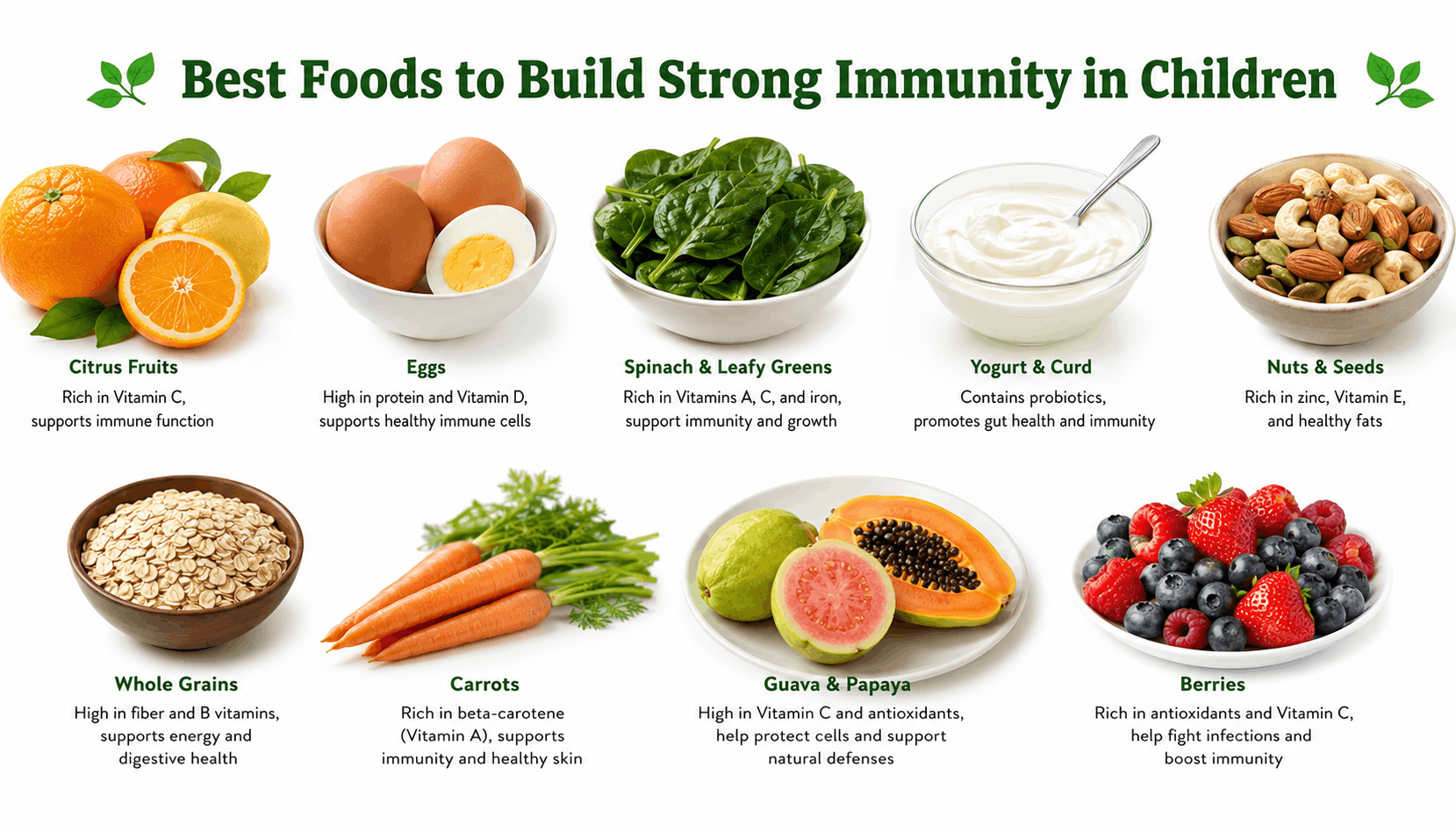
While no single food can prevent illness, a balanced diet rich in essential nutrients can help strengthen your child’s immune system and support healthy growth. Including a variety of fresh, wholesome foods in daily meals ensures children receive the vitamins, minerals, proteins, and healthy fats their bodies need.
Here are some of the best foods to include in your child’s diet:
| Food | Key Nutrients | How It Supports Immunity |
| Citrus fruits | Vitamin C | Supports normal immune function and helps the body fight infections. |
| Eggs | Protein, Vitamin D | Supports growth, tissue repair, and healthy immune cells. |
| Spinach and leafy greens | Vitamins A, C, and Iron | Help support immune function and healthy growth. |
| Yogurt and curd | Probiotics | Promote a healthy gut, which plays an important role in overall immunity. |
| Nuts and seeds | Zinc, Vitamin E, Healthy fats | Support immune cell function and healthy development. |
| Whole grains | Fiber, B Vitamins | Provide sustained energy and support digestive health. |
| Carrots | Beta-carotene (Vitamin A) | Help maintain healthy skin and immune function. |
| Guava, Papaya, and Berries | Vitamin C and antioxidants | Help protect cells and support the body’s natural defenses. |
Foods and Habits That Can Weaken Your Child’s Immune System
While healthy habits help strengthen your child’s immune system, certain lifestyle choices can gradually reduce the body’s ability to fight infections. Identifying and limiting these habits can help support your child’s overall health and well-being.
Frequent Consumption of Junk Food
Foods high in sugar, unhealthy fats, and salt provide very little nutritional value. Regularly eating chips, candies, sugary snacks, and fast food may reduce the intake of essential vitamins and minerals that support immune function.
Sugary Drinks
Soft drinks, packaged fruit juices, and flavored beverages often contain high amounts of added sugar. Replacing them with water, fresh fruit, milk, or homemade beverages is a healthier choice.
Poor Sleep Routine
Children who do not get enough sleep may experience reduced energy levels and weakened immune responses. Maintaining a consistent sleep schedule is important for healthy growth and recovery.
Lack of Physical Activity
Spending too much time indoors or in front of screens can reduce physical activity. Encouraging outdoor play and active games helps children stay physically fit and supports overall health.
Poor Hand Hygiene
Not washing hands before meals or after using the restroom increases the risk of exposure to germs that can cause infections.
Unnecessary Antibiotic Use
Antibiotics should only be used when prescribed by a qualified doctor. They do not treat viral illnesses such as the common cold or flu, and unnecessary use may contribute to antibiotic resistance. Always follow your pediatrician’s advice regarding medications.
By replacing unhealthy habits with nutritious meals, regular exercise, quality sleep, and good hygiene, parents can naturally support their child’s immune system.
When Should Parents Consult a Pediatrician?
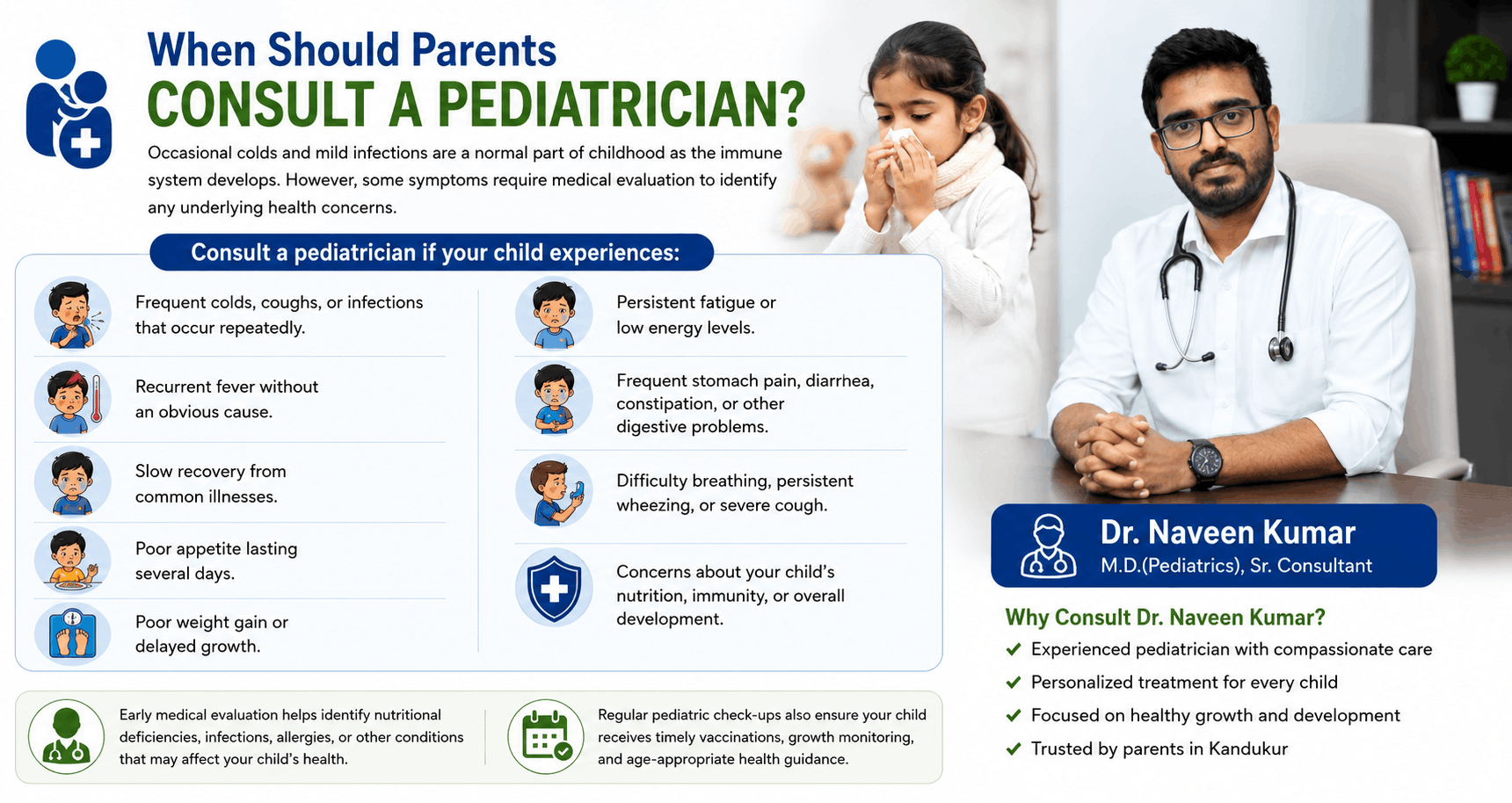
Occasional colds and mild infections are a normal part of childhood as the immune system develops. However, some symptoms require medical evaluation to identify any underlying health concerns.
Consult a pediatrician if your child experiences:
- Frequent colds, coughs, or infections that occur repeatedly.
- Recurrent fever without an obvious cause.
- Slow recovery from common illnesses.
- Poor appetite lasting several days.
- Poor weight gain or delayed growth.
- Persistent fatigue or low energy levels.
- Frequent stomach pain, diarrhea, constipation, or other digestive problems.
- Difficulty breathing, persistent wheezing, or severe cough.
- Concerns about your child’s nutrition, immunity, or overall development.
Early medical evaluation helps identify nutritional deficiencies, infections, allergies, or other conditions that may affect your child’s health. Regular pediatric check-ups also ensure your child receives timely vaccinations, growth monitoring, and age-appropriate health guidance.
Why Choose Pranavi Children and Eye Hospital, Kandukur?
A healthy immune system begins with proper nutrition, preventive healthcare, and regular medical guidance. At Pranavi Children and Eye Hospital, Kandukur, our experienced pediatric team is committed to supporting every child’s healthy growth and development through compassionate, evidence-based care.
Our pediatric services include:
- Child health check-ups
- Growth and developmental monitoring
- Childhood vaccination services
- Nutritional guidance for children
- Diagnosis and treatment of childhood illnesses
- Newborn and infant care
- Preventive pediatric healthcare
- Parent counseling for healthy child development
Led by Dr. Naveen Kumar, our team focuses on providing personalized care that helps children grow healthier and stronger at every stage of childhood.
Whether your child needs routine health check-ups, vaccination guidance, nutritional advice, or treatment for common childhood illnesses, our team is here to support your family’s healthcare needs.
Frequently Asked Questions
1. How can I build strong immunity in my child naturally?
You can strengthen your child’s immunity by providing a balanced diet, ensuring adequate sleep, encouraging daily physical activity, maintaining proper hygiene, keeping vaccinations up to date, and scheduling regular pediatric check-ups.
2. Which foods help improve immunity in children?
Foods rich in vitamins, minerals, protein, and probiotics support healthy immune function. Include fruits, vegetables, eggs, yogurt, whole grains, nuts, seeds, and dairy products as part of a balanced diet.
3. Does regular exercise improve a child’s immune system?
Yes. Daily physical activity supports healthy blood circulation, strengthens muscles and bones, promotes better sleep, and contributes to overall physical and mental well-being.
4. How much sleep does my child need for a healthy immune system?
Sleep requirements vary by age. Most toddlers need 11–14 hours, preschoolers need 10–13 hours, school-age children require 9–12 hours, and teenagers need 8–10 hours of sleep each day.
5. Do probiotics help improve immunity in children?
Probiotics found in foods such as yogurt and curd help maintain a healthy balance of beneficial gut bacteria. A healthy gut supports digestion and plays an important role in overall immune health.
6. Can too much sugar weaken my child’s immunity?
A diet high in sugary foods and drinks can replace nutritious foods that provide essential vitamins and minerals. Limiting added sugars and encouraging a balanced diet supports your child’s overall health.
7. Why does my child get frequent colds?
Young children are exposed to many new viruses as their immune systems develop. While occasional colds are common, frequent or severe infections should be evaluated by a pediatrician.
8. Do vaccinations help strengthen immunity?
Yes. Vaccinations train the immune system to recognize and fight specific infectious diseases, helping protect children from several serious illnesses.
9. When should I consult a pediatrician for low immunity?
Consult a pediatrician if your child experiences frequent infections, repeated fever, poor weight gain, delayed growth, persistent fatigue, or slow recovery from illnesses.
10. Which hospital provides comprehensive pediatric care in Kandukur?
Pranavi Children and Eye Hospital, Kandukur, offers comprehensive pediatric services, including routine health check-ups, vaccinations, growth monitoring, nutritional guidance, and treatment for childhood illnesses.
Conclusion
Building strong immunity in children naturally begins with healthy everyday habits. A balanced diet, adequate sleep, regular physical activity, proper hydration, good hygiene, and timely vaccinations all work together to support your child’s immune system and overall development. While occasional illnesses are a normal part of growing up, these healthy lifestyle practices can help children recover faster and stay active throughout childhood.
If your child experiences frequent infections, poor growth, low energy levels, or delayed recovery from illness, consult a qualified pediatrician for a thorough evaluation. Early guidance can help identify underlying concerns and ensure your child receives the care needed for healthy development.
At Pranavi Children and Eye Hospital, Kandukur, Dr. Naveen Kumar and the pediatric team are dedicated to providing comprehensive, compassionate care for children of all ages. From routine health check-ups and vaccinations to nutritional guidance and preventive pediatric care, we are committed to helping every child grow healthier, stronger, and happier.