
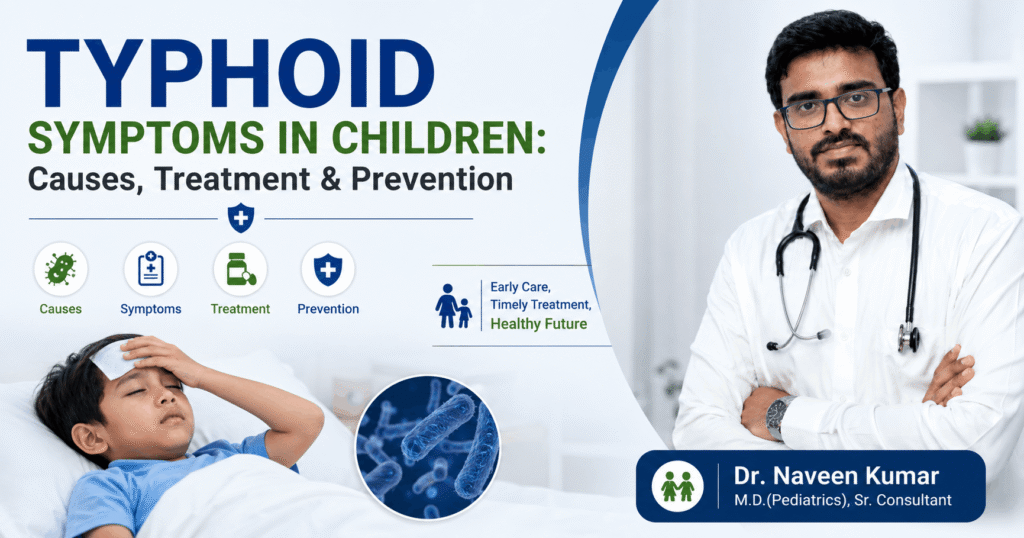
Typhoid fever is a bacterial infection that can affect children, particularly when they consume contaminated food or drinking water. It often begins with symptoms such as a persistent fever, stomach pain, weakness, and loss of appetite. Recognizing these warning signs early is important because prompt medical care can help reduce the risk of complications.
Although typhoid can make children seriously ill, it is a manageable condition when diagnosed and treated at the right time. Early medical evaluation, appropriate treatment, adequate hydration, nutritious meals, and proper rest all contribute to a smooth recovery. Following good hygiene practices and preventive measures can also help lower the risk of infection.
In this guide, you’ll learn about typhoid symptoms in children, their causes, diagnosis, treatment, prevention, and when to consult a pediatrician. Whether your child is a toddler, preschooler, or school-aged, this information will help you identify the symptoms early and take the right steps to protect your child’s health.
What Is Typhoid Fever?
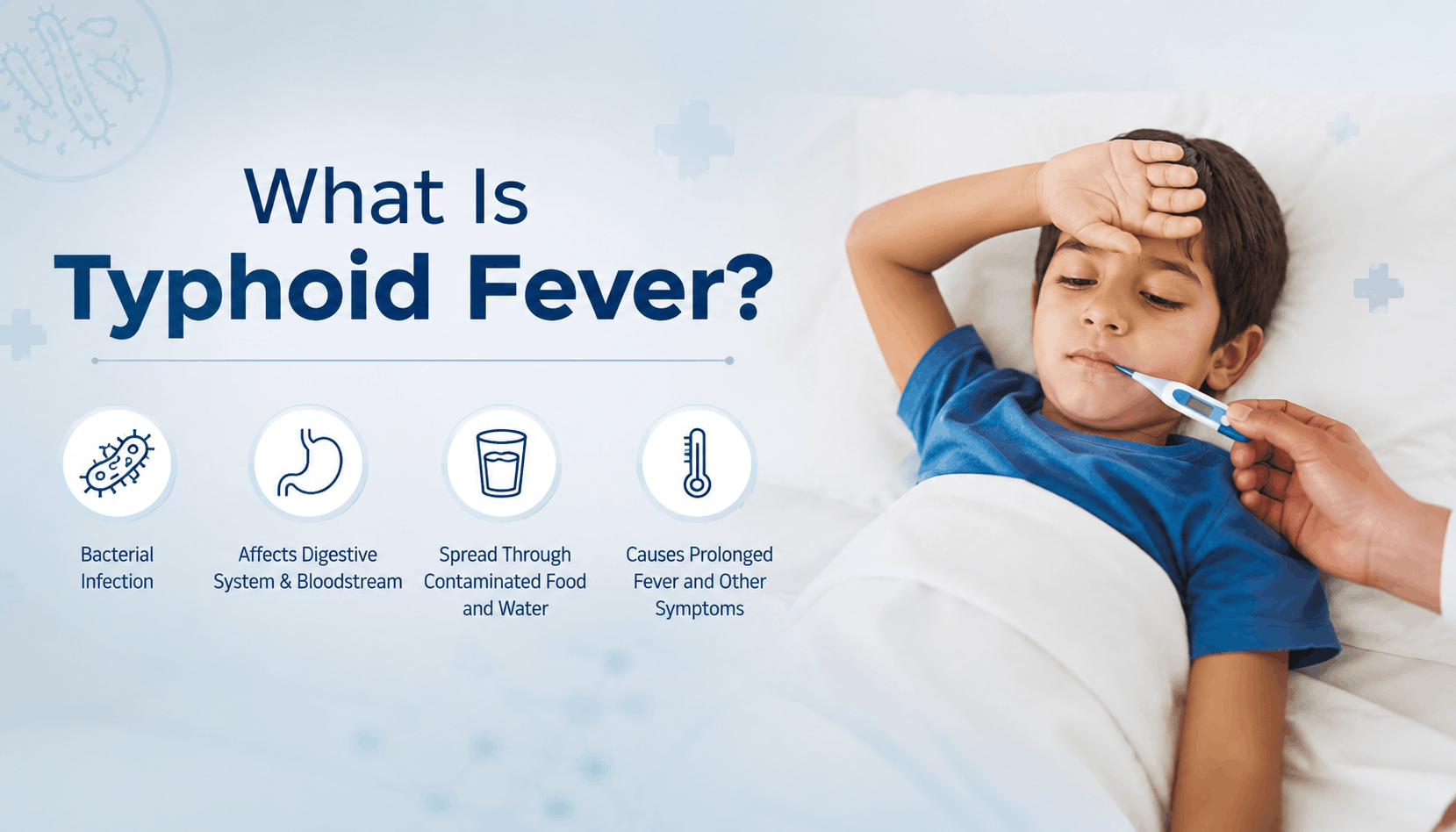
Typhoid fever is a bacterial infection caused by Salmonella Typhi. It mainly affects the digestive system and bloodstream and can make children seriously ill if not treated on time.
The bacteria usually enter the body through contaminated food or drinking water. Once inside the body, they multiply and spread through the bloodstream, causing fever and other symptoms
Unlike a common viral fever that usually improves within a few days, typhoid fever often lasts longer and gradually becomes more severe if left untreated. Early medical care plays an important role in preventing complications and helping children recover safely.
What Causes Typhoid in Children?
Typhoid fever is caused by the bacterium Salmonella Typhi. The infection spreads through the fecal-oral route, meaning the bacteria from an infected person’s stool can contaminate food or water and enter another person’s body.
Some of the most common causes include:
- Drinking contaminated water.
- Eating contaminated food.
- Poor hand hygiene.
- Improper sanitation.
- Food prepared by an infected person.
- Eating raw or unwashed fruits and vegetables.
Although typhoid can affect anyone, children are more likely to become infected if they are exposed to contaminated food or water.Therefore, teaching children good hygiene habits from an early age is essential.
Typhoid Symptoms in Children
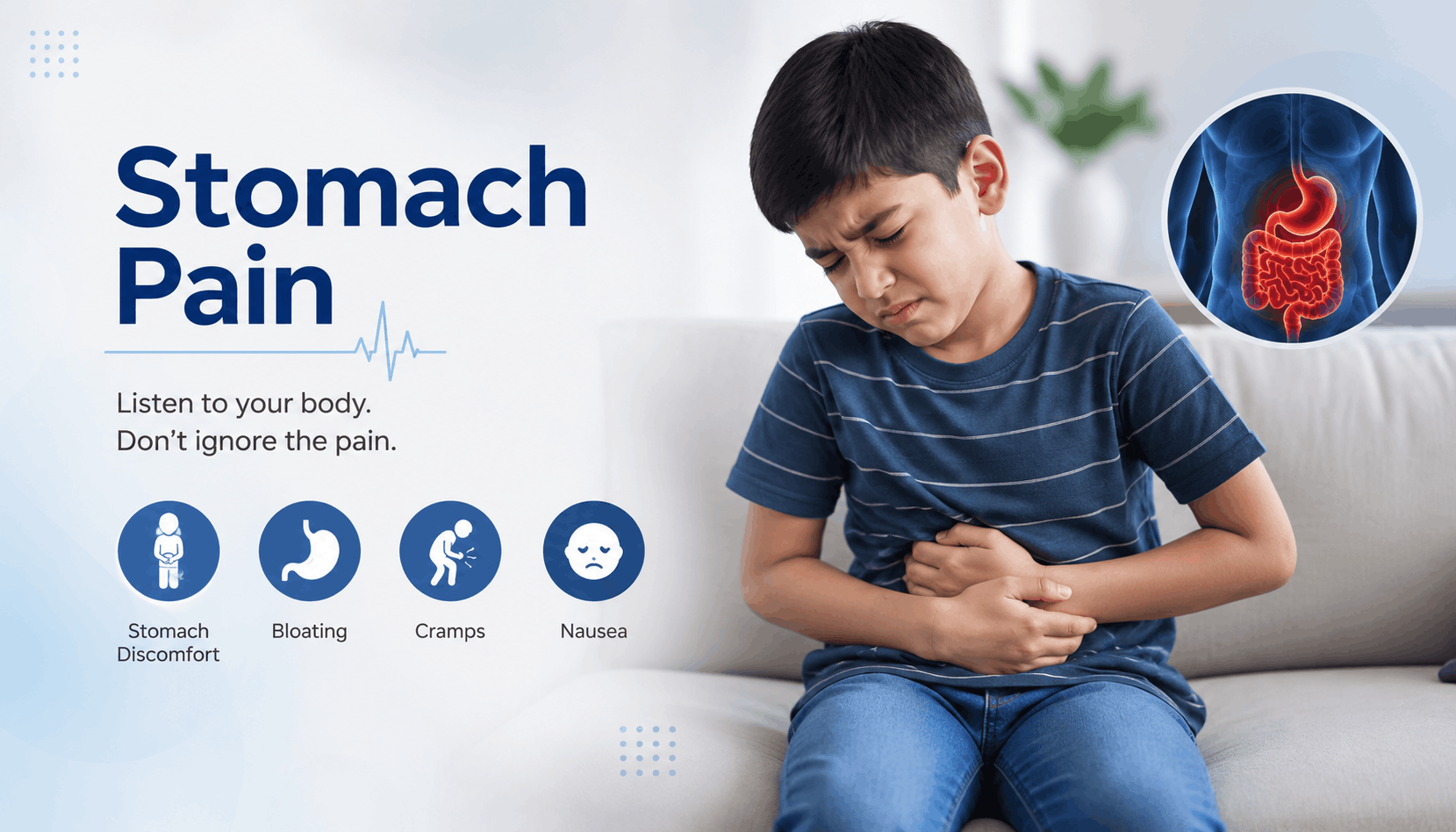
The symptoms of typhoid fever usually appear 6 to 30 days after a child is exposed to the Salmonella Typhi bacteria. In the early stages, the illness may resemble a common viral infection, making it difficult for parents to identify. However, as the infection progresses, the symptoms become more noticeable and may persist for several days if left untreated.
Parents should watch for the following common symptoms of typhoid in children:
- Persistent high fever that gradually increases and may reach 103°F–104°F (39.5°C–40°C).
- Weakness and fatigue, causing the child to feel unusually tired and less active.
- Loss of appetite, leading to reduced food intake and possible weight loss.
- Headache, which often accompanies the fever.
- Stomach pain or abdominal discomfort, especially around the middle or lower abdomen.
- Diarrhea or constipation, depending on the child’s age and the stage of the infection.
- Nausea and vomiting, making it difficult for the child to eat or drink.
- Body aches and muscle pain, resulting in general discomfort.
- Rose-colored rash (rose spots) on the chest or abdomen in some children.
- Enlarged liver or spleen, which may be detected during a medical examination.
- Irritability, drowsiness, or confusion, particularly in severe cases.
If your child has a persistent fever lasting more than two to three days along with any of these symptoms, consult a pediatrician immediately. Early diagnosis and prompt treatment can help prevent serious complications and ensure a faster recovery.
How Is Typhoid Diagnosed?
Diagnosing typhoid fever early is important to begin timely treatment and prevent complications. The pediatrician will evaluate your child’s symptoms, medical history, and perform certain tests to confirm the infection.
Physical Examination
The doctor will perform a thorough physical examination to check for signs of typhoid, such as persistent fever, abdominal tenderness, dehydration, and an enlarged liver or spleen. They will also ask about your child’s recent food, water, and travel history.
Blood Culture
A blood culture is the most accurate test for diagnosing typhoid fever, especially during the early stages of the illness. It helps detect the presence of Salmonella Typhi bacteria in the bloodstream.
Blood Tests
Blood tests may also be recommended to look for signs of infection and assess your child’s overall health. Additionally, these tests also help rule out other illnesses with similar symptoms.
Stool or Urine Tests
In some cases, the doctor may advise stool or urine tests to detect Salmonella Typhi, particularly in the later stages of the infection or during recovery.
Diagnosis and Treatment Plan
After reviewing the symptoms and test results, the pediatrician will confirm whether your child has typhoid fever and recommend the most appropriate treatment plan based on the severity of the infection.
Treatment for Typhoid in Children
Early diagnosis and appropriate treatment are essential to help children recover from typhoid fever and prevent complications. The treatment plan depends on your child’s age, overall health, and the severity of the infection. Parents should always follow the pediatrician’s advice and avoid self-medicating.
Antibiotic Treatment
Since typhoid is caused by the Salmonella Typhi bacteria, antibiotics are the main treatment. The pediatrician will prescribe the appropriate antibiotic based on your child’s condition and local antibiotic resistance patterns. It is important to complete the full course of antibiotics, even if your child starts feeling better, to ensure the infection is completely treated.
Managing Fever
A persistent high fever is one of the most common symptoms of typhoid. Your pediatrician may recommend fever-reducing medicines to keep your child comfortable. Dressing your child in light clothing, encouraging adequate rest, and keeping them cool can also help manage fever. Avoid giving any medication without consulting your doctor.
Hydration and Nutrition
Children with typhoid can easily become dehydrated due to fever, vomiting, or diarrhea. Additionally, encourage your child to drink plenty of fluids, such as clean water, oral rehydration solution (ORS), soups, and fresh fruit juices if recommended by the doctor. Choosing the right foods can also support your child’s recovery.
Rest and Recovery
In addition to medication and proper nutrition, adequate rest is essential for a faster recovery. Children should avoid strenuous activities and get plenty of sleep while their body fights the infection. Most children gradually regain their energy after completing treatment, but they should return to school or outdoor activities only after the pediatrician confirms they have recovered.
When Hospitalization Is Needed
Some children may require hospitalization if the infection is severe or complications develop. Immediate medical care may be needed if your child has severe dehydration, persistent vomiting, inability to eat or drink, severe abdominal pain, confusion, or signs of intestinal complications. In the hospital, treatment may include intravenous (IV) fluids, injectable antibiotics, and close monitoring until the child is stable.
How to Prevent Typhoid in Children
Preventing typhoid is always better than treating it. Since the infection mainly spreads through contaminated food and water, maintaining good hygiene and following healthy food practices can significantly reduce your child’s risk of developing typhoid fever. Teaching these habits from an early age also helps protect children from many other infectious diseases.
Encourage Proper Hand Hygiene
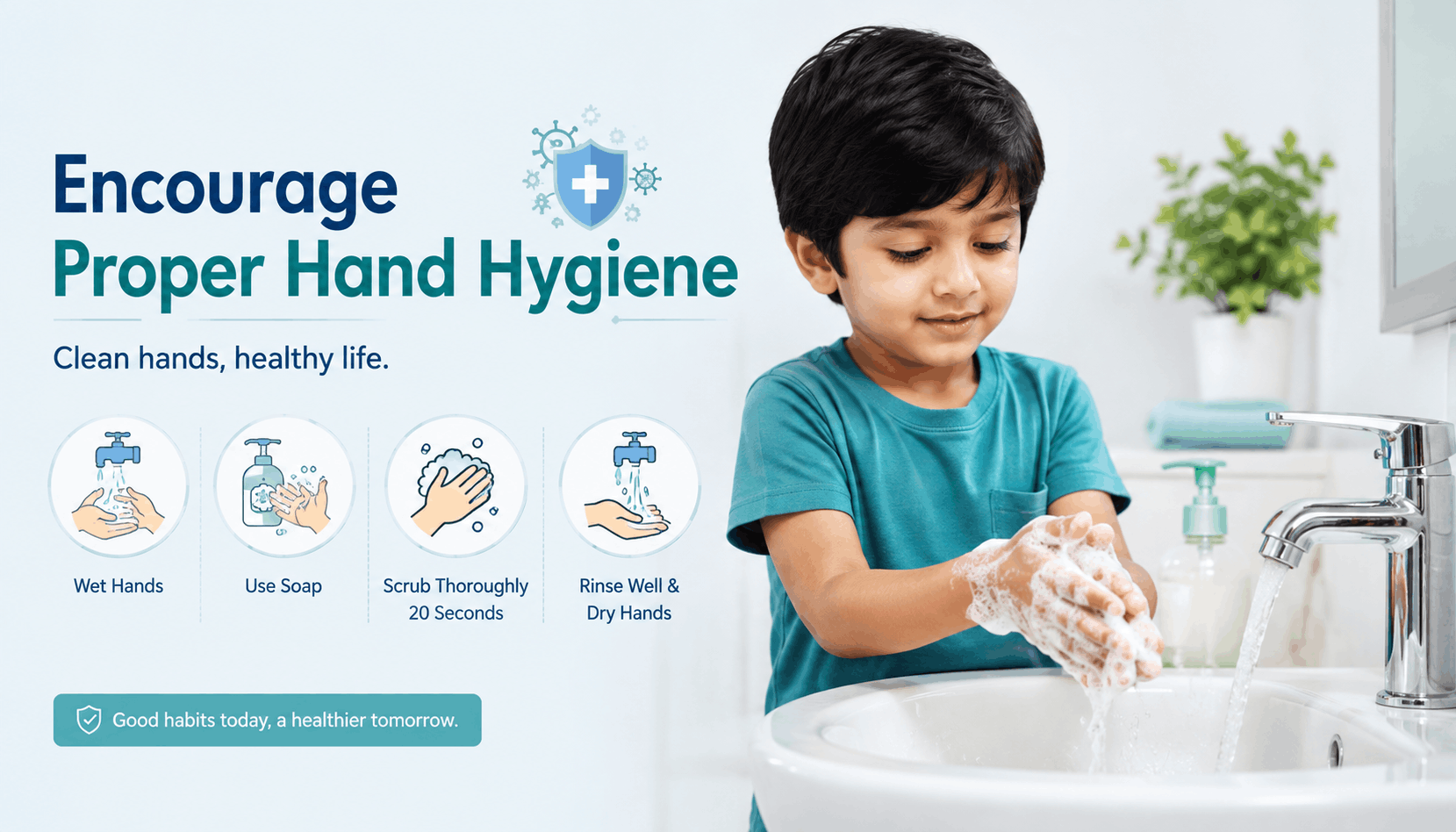
Handwashing is one of the simplest and most effective ways to prevent typhoid. Teach your child to wash their hands thoroughly with soap and clean water:
- Before eating or handling food.
- After using the toilet.
- After playing outdoors.
- After touching pets or animals.
- After coughing or sneezing.
Parents should also practice good hand hygiene while preparing meals for the family.
Provide Safe Drinking Water
Contaminated water is one of the leading causes of typhoid infection. Always ensure your child drinks water that is safe and clean.
You can reduce the risk by:
- Giving boiled or filtered drinking water.
- Using safe bottled water while travelling.
- Avoiding untreated water from unknown sources.
- Cleaning and covering water storage containers regularly.
Serve Freshly Prepared Food
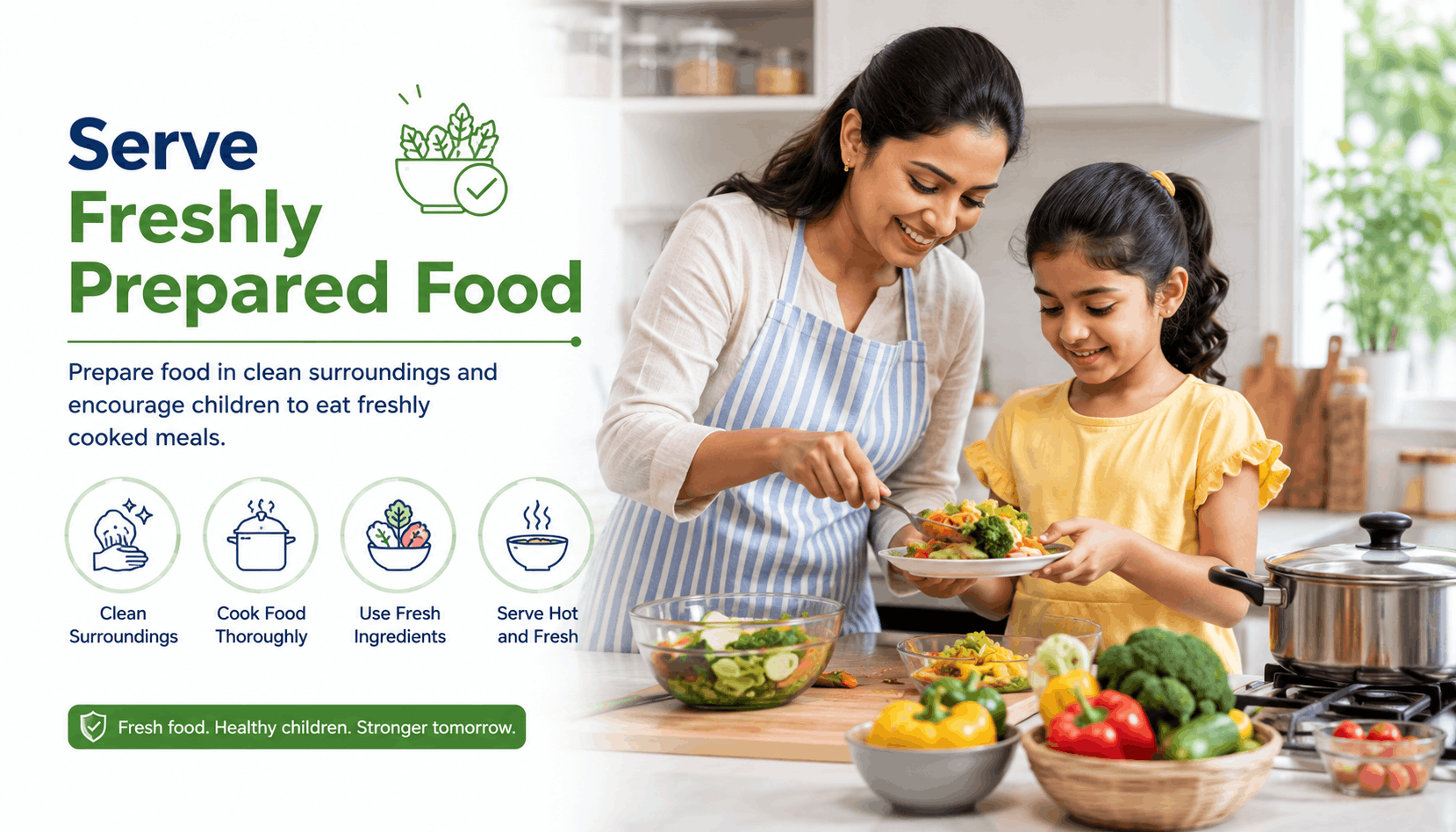
Healthy eating habits also help prevent typhoid. Prepare food in clean surroundings and encourage children to eat freshly cooked meals.
Parents should:
- Wash fruits and vegetables thoroughly before serving.
- Cook meat, eggs, and seafood properly.
- Avoid serving stale or uncovered food.
- Keep cooked and raw foods separate to prevent contamination.
Avoid Unhygienic Street Food
Although children may enjoy eating outside, food prepared in unhygienic conditions may be contaminated with harmful bacteria.
Whenever possible:
- Choose restaurants that maintain good hygiene.
- Avoid uncooked foods from roadside vendors.
- Encourage homemade meals for younger children.
Maintain Good Sanitation
Clean surroundings play an important role in preventing the spread of typhoid.
Parents should ensure:
- Proper disposal of household waste.
- Clean toilet facilities.
- Safe sewage disposal.
- A clean kitchen environment.
- Regular cleaning of frequently touched surfaces.
Typhoid Vaccination
Typhoid vaccination can provide additional protection, especially for children living in or travelling to areas where typhoid is more common.
Speak with your pediatrician to know:
- Whether your child should receive the typhoid vaccine.
- The recommended age for vaccination.
- Whether booster doses are required.
Although vaccination reduces the risk of infection, children should continue following good hygiene and safe food practices for maximum protection.
When to Consult a Pediatrician
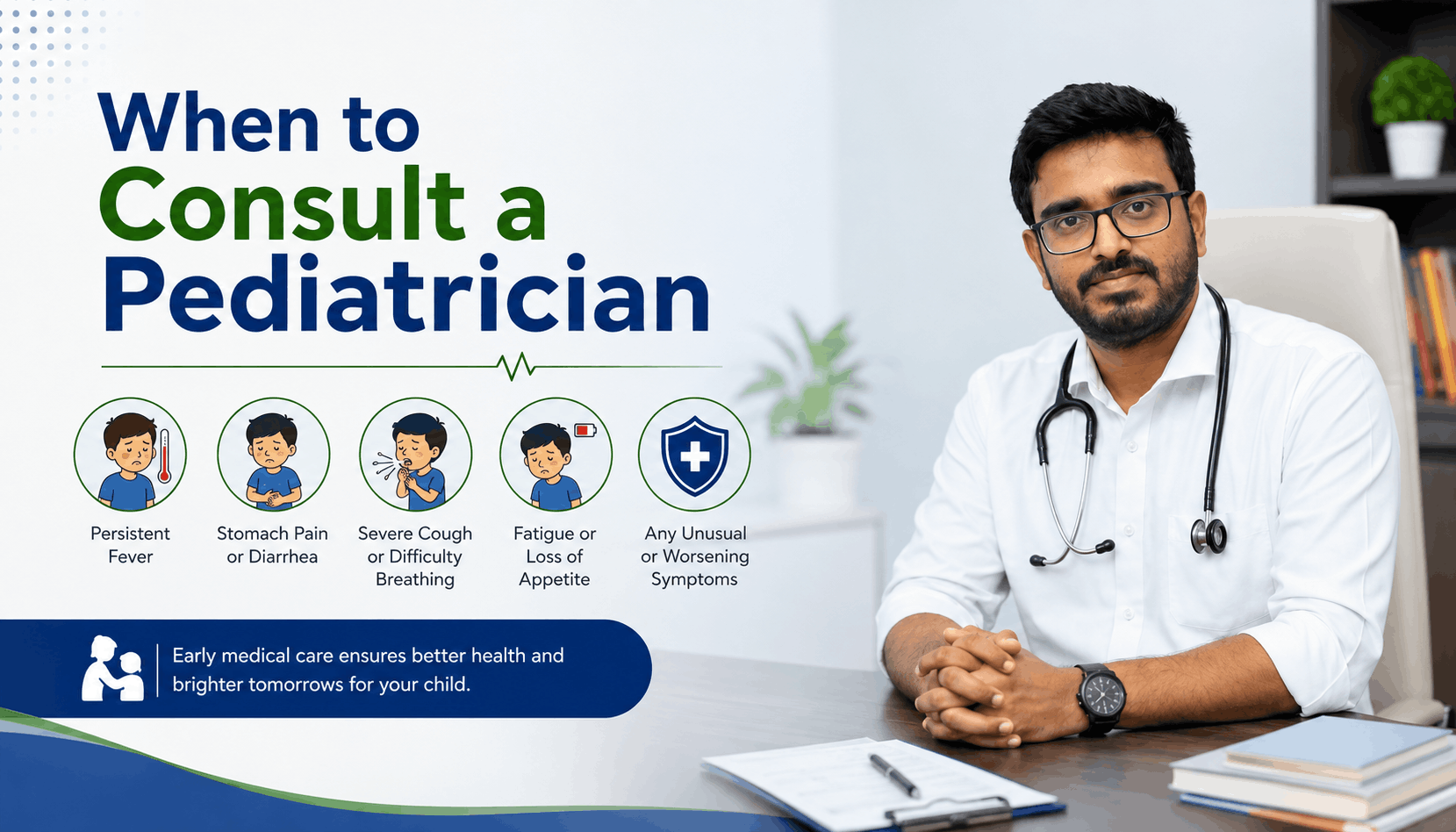
A mild fever caused by viral infections often improves within a few days. However, if your child’s fever continues or is accompanied by other concerning symptoms, it is important to seek medical attention without delay.
Consult a pediatrician if your child has:
- Fever lasting more than three days.
- Persistent high temperature.
- Severe stomach pain.
- Repeated vomiting.
- Diarrhea that lasts for several days.
- Loss of appetite with noticeable weakness.
- Difficulty drinking fluids.
- Signs of dehydration.
- Blood in the stool.
- Extreme sleepiness or confusion.
Early diagnosis allows treatment to begin before the infection becomes severe and helps reduce the risk of complications.
Dr. Naveen Kumar at Pranavi Eye & Children Hospital, Kandukur, provides comprehensive pediatric care for children with fever, infections, and other childhood illnesses. From accurate diagnosis to personalized treatment and follow-up care, our goal is to help every child recover safely and return to good health as quickly as possible.
Frequently Asked Questions
1. What are the first symptoms of typhoid in children?
The earliest symptoms usually include persistent fever, weakness, loss of appetite, headache, stomach pain, and tiredness. Some children may also experience vomiting, diarrhea, or constipation.
2. How does typhoid spread?
Typhoid spreads through contaminated food and drinking water. Poor hand hygiene and inadequate sanitation can also increase the risk of infection.
3. Can typhoid be cured completely?
Yes. Most children recover completely when typhoid is diagnosed early and treated with the appropriate antibiotics prescribed by a pediatrician.
4. What foods should children eat during typhoid?
Soft, easily digestible foods such as rice, khichdi, idli, dal, vegetable soup, bananas, apples, and oats are generally recommended during recovery.
5. Can my child recover from typhoid without antibiotics?
No. Typhoid is a bacterial infection caused by Salmonella Typhi and usually requires antibiotics prescribed by a doctor. Delaying or avoiding treatment can increase the risk of serious complications.
6. Can typhoid spread from one child to another?
Typhoid does not usually spread through casual contact such as hugging, playing, or sharing a classroom. It mainly spreads through contaminated food, drinking water, or poor hygiene practices. Proper handwashing and safe food habits help reduce the risk of transmission.
7. Can my child get typhoid more than once?
Yes. Recovering from typhoid does not provide lifelong immunity. Children can become infected again if they consume contaminated food or water. Maintaining good hygiene and following preventive measures remain essential.
8. Does the typhoid vaccine completely prevent the disease?
The typhoid vaccine helps reduce the risk of infection but does not provide 100% protection. Children should continue practicing good hand hygiene, drinking safe water, and eating hygienically prepared food even after vaccination.
9. When should I take my child to the hospital immediately?
Seek immediate medical care if your child has a persistent high fever, severe stomach pain, repeated vomiting, signs of dehydration, confusion, seizures, or blood in the stool. Early treatment can help prevent serious complications.
10. Which hospital provides typhoid treatment for children in Kandukur?
Dr. Naveen Kumar at Pranavi Children & Eye Hospital, Kandukur, provides pediatric evaluation, diagnosis, and treatment for children with typhoid.
Conclusion
Typhoid fever is a preventable and treatable bacterial infection, but recognizing its symptoms early is essential for protecting your child’s health. Persistent fever, stomach pain, weakness, and loss of appetite should never be ignored, as timely diagnosis and appropriate treatment can help prevent complications and support a faster recovery.
Simple preventive measures, such as drinking safe water, practicing good hand hygiene, eating freshly prepared food, and following the recommended vaccination schedule, can significantly reduce the risk of typhoid and promote your child’s overall well-being.
At Pranavi Eye & Children Hospital, Kandukur, Dr. Naveen Kumar and the pediatric team provide compassionate care for children with typhoid and other childhood illnesses. Through timely diagnosis, personalized treatment, and dedicated follow-up care, we are committed to helping every child recover safely and stay healthy.
.