
Red eyes are a common eye problem that can appear suddenly or develop over time. Although the redness is often harmless, it can sometimes be a sign of an eye condition that needs medical attention.
For some people, the problem settles on its own. Others may experience discomfort that affects their work, screen time or daily activities. Knowing when to wait and when to seek medical advice can help you take better care of your eyes.
This article explains the common causes of red eyes, the symptoms to watch for, available treatment options, and simple ways to care for your eyes. It also covers when to consult an eye specialist for proper evaluation and treatment.
What Do Red Eyes Look Like?
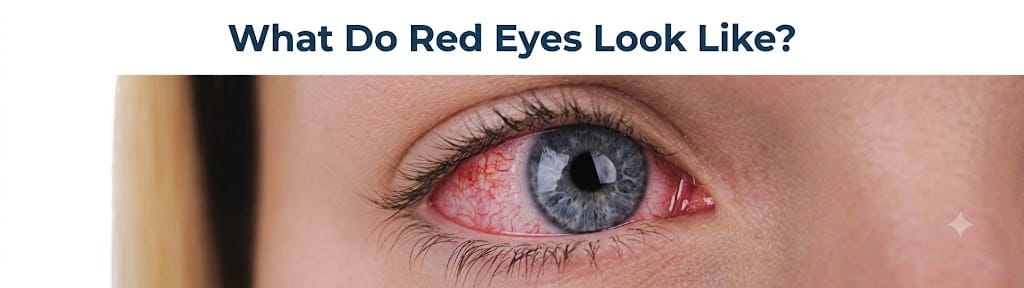
Red eyes may appear as a pink tint across the white part of the eye or as a bright-red patch in one area. The redness can affect one eye or both, depending on the cause.
Sometimes, red eyes appear without pain or changes in vision. However, redness accompanied by pain or blurred vision needs prompt medical attention.
Common Causes of Red Eyes
Red eyes can develop because of allergies, everyday irritants or conditions affecting the eyes. Understanding the possible cause can help you recognise when an eye examination may be needed.
1. Eye Allergies
Dust, pollen and pet dander can trigger an allergic reaction in the eyes. This often leads to itching, watering and irritation, particularly after exposure to a specific allergen.
Allergy-related symptoms may come and go depending on the environment or season. Avoiding known triggers can help reduce discomfort.
2. Dry Eyes
Dry eyes occur when the eyes do not produce enough tears or when tears evaporate too quickly. Long hours of screen use, air conditioning, wind and certain medications may contribute to the problem.
You may notice burning, irritation or a gritty feeling, especially after spending a long time looking at a computer or mobile phone.
3. Conjunctivitis (Pink Eye)
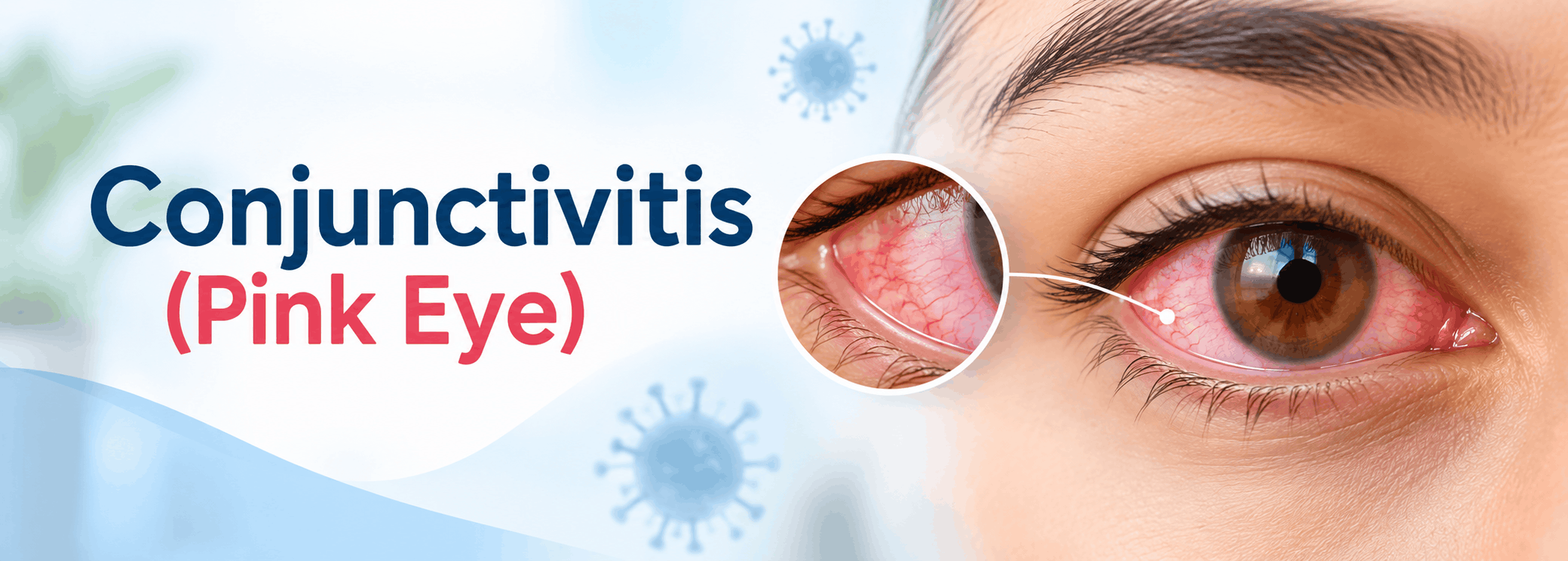
Conjunctivitis is inflammation of the conjunctiva, the thin membrane covering the white part of the eye and the inner eyelids. It can result from a viral or bacterial infection, an allergic reaction or exposure to irritants. Children aged 5–15 years can also be affected by conjunctivitis, making awareness of its symptoms and spread important among parents and caregivers.
Depending on the cause, symptoms may include watering, itching or sticky discharge. Viral and bacterial conjunctivitis can spread through contaminated hands and shared personal items, while allergic conjunctivitis is not contagious.
4. Dust, Smoke and Other Irritants
Exposure to air pollution, smoke, chlorine from swimming pools or certain cosmetic products can irritate the eye’s surface. The discomfort may settle after you move away from the source.
If irritation continues or a chemical enters the eye, seek appropriate medical attention rather than waiting for the symptoms to disappear.
5. Broken Blood Vessel in the Eye
Sometimes, a tiny blood vessel breaks beneath the conjunctiva, leaving a clearly defined red patch on the white part of the eye. This is called a subconjunctival haemorrhage.
It may occur after coughing, sneezing, straining or minor injury. It is often painless and clears on its own within one to two weeks. Repeated episodes or redness following an eye injury should be assessed by a doctor.
6. Other Eye Conditions
Certain eye conditions, including keratitis and uveitis, can also cause redness. Keratitis affects the cornea, while uveitis involves inflammation inside the eye.
These conditions may cause pain, sensitivity to light or changes in vision. Prompt examination is important because some eye conditions can lead to complications if treatment is delayed.
Symptoms of Red Eyes
Red eyes may cause mild irritation or discomfort that interferes with everyday activities. The symptoms can differ from person to person and may provide clues about the underlying cause.
Common symptoms include:
- Itching or a burning sensation
- Excessive watering or sticky discharge
- A gritty feeling, as if something is stuck in the eye
- Swelling or puffiness around the eyelids
- Discomfort in bright light
- Dryness or irritation after prolonged screen use
- Eyelids sticking together after sleep because of discharge
- Eye pain or changes in vision, which may indicate a more serious condition
For example, allergies often cause itching, while conjunctivitis may lead to discharge and watering. However, symptoms alone cannot always identify the exact cause.
Seek urgent medical attention if redness occurs with severe pain, blurred vision or strong sensitivity to light.
How Are Red Eyes Treated?
The right treatment depends on what is causing the redness. Mild irritation may improve with simple care, while infections and other eye conditions may require specific medication. An eye specialist can examine your eyes and recommend treatment based on the diagnosis.
1. Lubricating Eye Drops
If dryness is responsible, artificial tears may help keep the eyes moist and relieve irritation. They can be useful for people who spend long hours working on computers or using mobile phones.
Taking regular screen breaks and avoiding direct airflow from fans or air conditioners may also help. If dryness continues despite these measures, an eye specialist can check for underlying causes.
2. Allergy Eye Drops
When allergies cause red eyes, a doctor may recommend anti-allergy eye drops to reduce itching and watering. Avoiding triggers such as dust, pollen and pet dander can also help control symptoms.
A clean, cool compress over closed eyes may provide additional relief. Avoid rubbing your eyes, as this can increase irritation.
3. Eye Infections
Viral conjunctivitis usually improves on its own, while bacterial conjunctivitis may sometimes require antibiotic eye drops prescribed by a doctor. Antibiotics do not treat viral infections, so identifying the cause is important.
Good hand hygiene and avoiding shared towels can help limit the spread of contagious conjunctivitis. If symptoms worsen or do not improve, consult an eye specialist.
4. Treatment for Other Eye Conditions
Redness caused by corneal problems or inflammation may require specific medication and follow-up examinations. The treatment depends on the condition and its severity.
Early diagnosis is particularly important when redness comes with pain, light sensitivity or changes in vision. Avoid using leftover prescription drops or steroid eye drops without medical advice, as they may worsen certain conditions.
How to Prevent Red Eyes
Although not every cause of red eyes can be prevented, a few everyday habits can help reduce irritation and the risk of infection.
- Wash your hands regularly and avoid touching your eyes unnecessarily.
- Follow proper contact lens cleaning and replacement instructions.
- Limit exposure to smoke, dust and other known irritants.
- Take regular breaks during long hours of computer or mobile phone use.
- Avoid sharing towels, eye makeup or other personal items.
- Remove eye makeup before sleeping and avoid products that irritate your eyes.
- Wear protective eyewear when working in dusty environments or handling chemicals.
Home Care Tips for Red Eyes
If your eyes are already red, these measures may help relieve mild discomfort while they recover.
- Apply a cool compress: Place a clean, cool cloth over closed eyes to soothe mild irritation.
- Avoid rubbing your eyes: Rubbing can worsen inflammation and further irritate the eye’s surface.
- Use lubricating eye drops: Artificial tears may help relieve dryness when used appropriately.
- Keep your eyelids clean: If discharge is present, gently clean the eyelids with a clean cloth and avoid sharing towels.
Home care may help with mild irritation, but it cannot treat every cause of red eyes. If symptoms persist or worsen, seek medical advice. A painful red eye in a contact lens wearer requires prompt assessment.
When Should You See an Eye Specialist?
Mild redness may improve on its own, but certain symptoms need medical attention. Knowing when to seek help can prevent delays in diagnosing a more serious eye condition.
Consult an eye specialist if you experience:
- Severe eye pain or worsening discomfort
- Blurred vision or sudden changes in eyesight
- Strong sensitivity to light
- Persistent or recurring redness
- A painful red eye while wearing contact lenses
- Ongoing discharge accompanied by other symptoms
If a chemical enters your eye, rinse it immediately and continuously with plenty of clean running water while seeking urgent medical care. Sudden vision loss or severe eye pain requires emergency assessment.
For persistent redness or other eye-related concerns, you can consult Dr. Nalluri Prasanthi at Pranavi Children’s and Eye Hospital in Kandukur. An eye examination can help identify the cause and determine the appropriate treatment.
Choosing the Right Hospital for Red Eye Treatment in Kandukur
When red eyes do not improve or keep returning, choosing an appropriate eye care provider can help you understand the cause and receive suitable treatment. An eye specialist can assess your symptoms, examine your eyes and advise you on the next steps.
At Pranavi Children’s and Eye Hospital in Kandukur, patients can consult Dr. Nalluri Prasanthi for eye-related concerns. During an evaluation, the focus may include:
- Assessing redness, irritation and other eye symptoms
- Identifying possible infections, allergies or other eye conditions
- Recommending treatment based on the examination findings
- Providing guidance on eye care and follow-up when needed
If your symptoms persist, an eye examination can help determine whether further treatment is necessary. Do not delay urgent care if redness is accompanied by severe pain, light sensitivity or changes in vision.
Frequently Asked Questions About Red Eyes
1. What is the most common cause of red eyes?
Common causes include dry eyes, allergies, conjunctivitis and exposure to dust or smoke. The likely cause depends on your symptoms, daily habits and how long the redness lasts.
2. How can I get rid of red eyes quickly?
A cool compress or lubricating eye drops may help relieve mild irritation. However, treatment depends on the cause, so avoid using antibiotic or steroid eye drops without medical advice.
3. Are red eyes a sign of an infection?
Not always. Allergies, dryness and exposure to irritants can also cause redness. Discharge, itching and other symptoms may provide clues, but an eye examination may be needed to identify the cause.
4. How long do red eyes usually last?
Mild irritation may settle within a short time after the trigger is removed. Conjunctivitis can take several days or longer to improve, depending on the cause. If redness persists, worsens or keeps returning, consult an eye specialist.
5. When should I worry about red eyes?
Seek urgent medical attention if red eyes occur with severe pain, blurred vision, strong sensitivity to light or an eye injury. Sudden vision loss requires emergency care.
6. Which doctor should I consult for red eyes in Kandukur?
If you have persistent redness, irritation or other eye-related concerns, you can consult Dr. Nalluri Prasanthi at Pranavi Children’s and Eye Hospital in Kandukur. She can assess your symptoms and recommend suitable treatment based on the findings.
Conclusion
Red eyes can occur due to allergies, dry eyes, conjunctivitis or exposure to dust and smoke. While mild redness may improve with simple care, persistent symptoms, eye pain or changes in vision should not be ignored. Proper eye care and timely medical attention can help prevent complications.
If you experience ongoing redness or eye discomfort, consult Dr. Nalluri Prasanthi at Pranavi Children’s and Eye Hospital in Kandukur. An eye examination can help identify the cause of your symptoms and guide appropriate treatment for better eye health.